BERGOGLIO ODPRAWIA MSZĘ NA GROBACH MAURÓW, KTÓRZY ZGWAŁCILI 60000 WŁOCHÓW
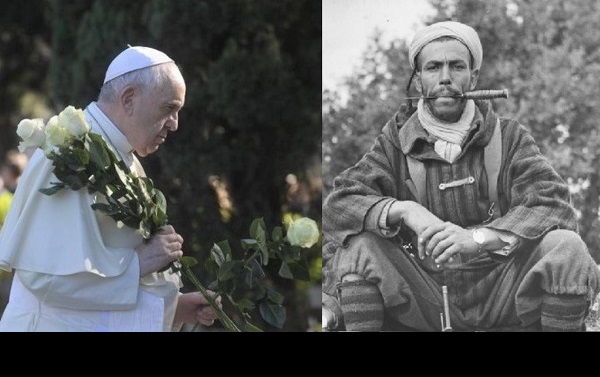
Dziś rano o godzinie 11.00 Franciszek odprawił „ Mszę za zmarłych ” 2 listopada na francuskim Cmentarzu Wojennym w Rzymie, w Monte Mario.
„Będzie to okazja, by modlić się w modlitwie za wszystkich zmarłych, w szczególności za ofiary wojny i przemocy” – zapowiedział w niedzielę na Anioł Pański i podczas obrzędu powiedział: „ Ten BRAVA LUDZIE zginął na wojnie, wezwany do obrony ojczyzny, wartości i ideałów. I wiele innych razy w obronie smutnych sytuacji politycznych. Są ofiarami, ofiarami wojny, która zjada dzieci ojczyzny”.
Tak więc dwa dni po stuleciu Nieznanego Żołnierza Włoskiego Bergoglio odprawił mszę w intencji „ofiar” wojennej przemocy na grobach autorów – francusko-kolonialnych i islamskich – tych okrutnych aktów przemocy nazwa „ MAROKCHINAT ”, za którą zapłacili Włosi.
W rzeczywistości na cmentarzu tym spoczywa 1888 żołnierzy francuskich, ale, jak cytuje TUTAJ pro loco Rzymu , „ większość poległych nie jest jednak pochodzenia francuskiego. Wiele ofiar to „ Goumierowie ”, żołnierze narodowości marokańskiej , powołani do walki we francuskich oddziałach od około 50 lat. ROZUMIEMY TO RÓWNIEŻ Z ISLAMSKIEGO PÓŁKSIĘŻYCA WYGRUBEGO NA KAMIENIACH. Wszyscy żołnierze zostali pochowani w ten sam sposób, z marmurowym krzyżem powyżej i napisem „ mort pour la France ”.