






Szwecja: Szczepienie dzieci jest sprzeczne z Konwencją Praw Dziecka
Szczepienie - mały wzgląd na na dobro dzieci.
Pytanie brzmi, jak szczepienie młodych ludzi rymuje się z Konwencją Praw Dziecka? Lotta Wendel
To jest artykuł kulturalny. Analiza i wartości są własnością pisarza.
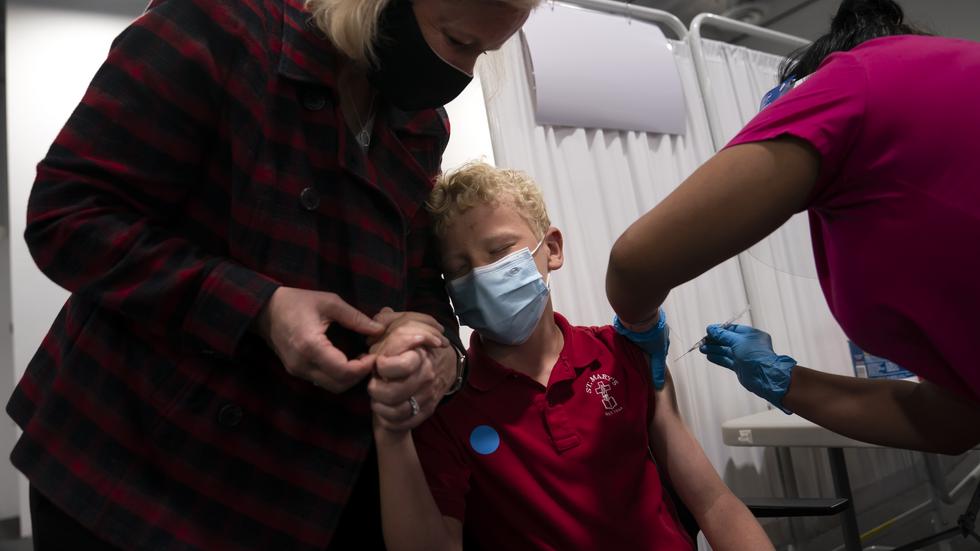
Kto decyduje - dzieci czy dorośli? Oto dwunastoletni Jeremy szczepiony w maju w Santa Ana w Kalifornii. Zdjęcie: AP / Jae C. Hong
Czy to rodzice, czy samo dziecko muszą zdecydować, czy dziecko powinno zostać zaszczepione?
W Szwecji regiony zmieniły się teraz, kiedy rozpoczęto szczepienia 16- i 17-latków. Niektóre regiony opierają się na własnej woli i dojrzałości dziecka, inne wymagają zgody opiekuna. Być może nie jest to dziwne, że opiekunowie nie są pewni, jak zareagować na prawo nieletnich do samostanowienia.
Dopiero w 2015 roku zostało to wyraźnie uregulowane dla opieki zdrowotnej. Zgodnie z prawem dziecko, które jest w odpowiednim wieku i dojrzałości, aby zrozumieć znaczenie i konsekwencje szczepienia, musi decydować za siebie. Żądanie wtedy zgody rodziców jest pogwałceniem prawa dziecka do samostanowienia.
Radziecki toksykolog – szczepionka Covid jest bronią biologiczną ludobójstwa
7 grudnia 2020 r.
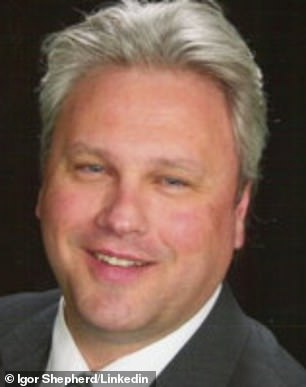
Po lewej, toksykolog Igor Shepherd, 54 lata -- „Jestem rosyjskim lekarzem wojskowym i mieszkałem w Rosji pod rządami komunizmu, dopóki nie przeniosłem się do Ameryki w 1993 roku. Podczas mojej służby wojskowej w Armii Radzieckiej, pod koniec lat 80-tych, moi dowódcy nieustannie okładali kadetów z zamiarem przekształcenia Zachodu świat w globalny komunizm. Ich plany, aby to zrobić, nie polegały na inwazji wojennej, ale poprzez ostrożną infiltrację rządów i uniwersytetów. W marcu 2020 roku, kiedy obserwowałem gubernatorów USA, jeden po drugim, porzucali naukowe racjonalne przesłanki medyczne i właściwą reakcję na pandemię oraz nierealistyczne i ostre reakcje Chin komunistycznych w cieniu na nową epidemię koronawirusa, wiedziałem, że infiltracja mająca na celu przekształcenie zachodniego świata w komunizm była w pełnym rozpędzie i że pandemia Covid-19 była kompletnym i kompletnym podstępem, za pomocą którego można zresetować świat'rządów i zniewolić ludzkość” – Igor Shepherd
Read more ...
Nikt nie może zastraszać rodzica, że dziecko nie będzie mogło wrócić do szkoły jak nie będzie zaszczepione.
Ostatnio otrzymujemy wiele pytań od was czy będzie można „zmusić” do szczepienia dzieci na C19 i uwarunkować od tego naukę w szkole od września 2021 roku.
W związku z tym postanowiliśmy się tym tematem zająć i stworzyć w tym zakresie artykuł, aby wyjaśnić ten temat na forum.
Na samym początku zacznijmy od tego, że C19 nie jest wpisany na listę chorób zakaźnych co powoduje, iż nie można w tym przypadku stosować żadnego przymusu na żadnym obywatelu do przyjęcia tego specyfiku, ponieważ szczepienie takie nie może być obowiązkowe a za nie wzięcie w nim udziału nikt nie może ponosić żadnych sankcji.
W tym miejscu przypominamy, iż C19 na chwilę obecną nie został wyodrębniony i dopóki nie zostanie wyodrębniony nie może być wpisanych na listę chorób zakaźnych co powoduje, iż szczepionka nie może zostać wpisana na listę szczepień obowiązkowych. Kolejną przesłanką do braku wprowadzenia tego produktu chemicznego do wykazu szczepień obowiązkowych są niezakończone badania kliniczne, jakie nadal trwają i mogą nie zostać pozytywnie zakończone.
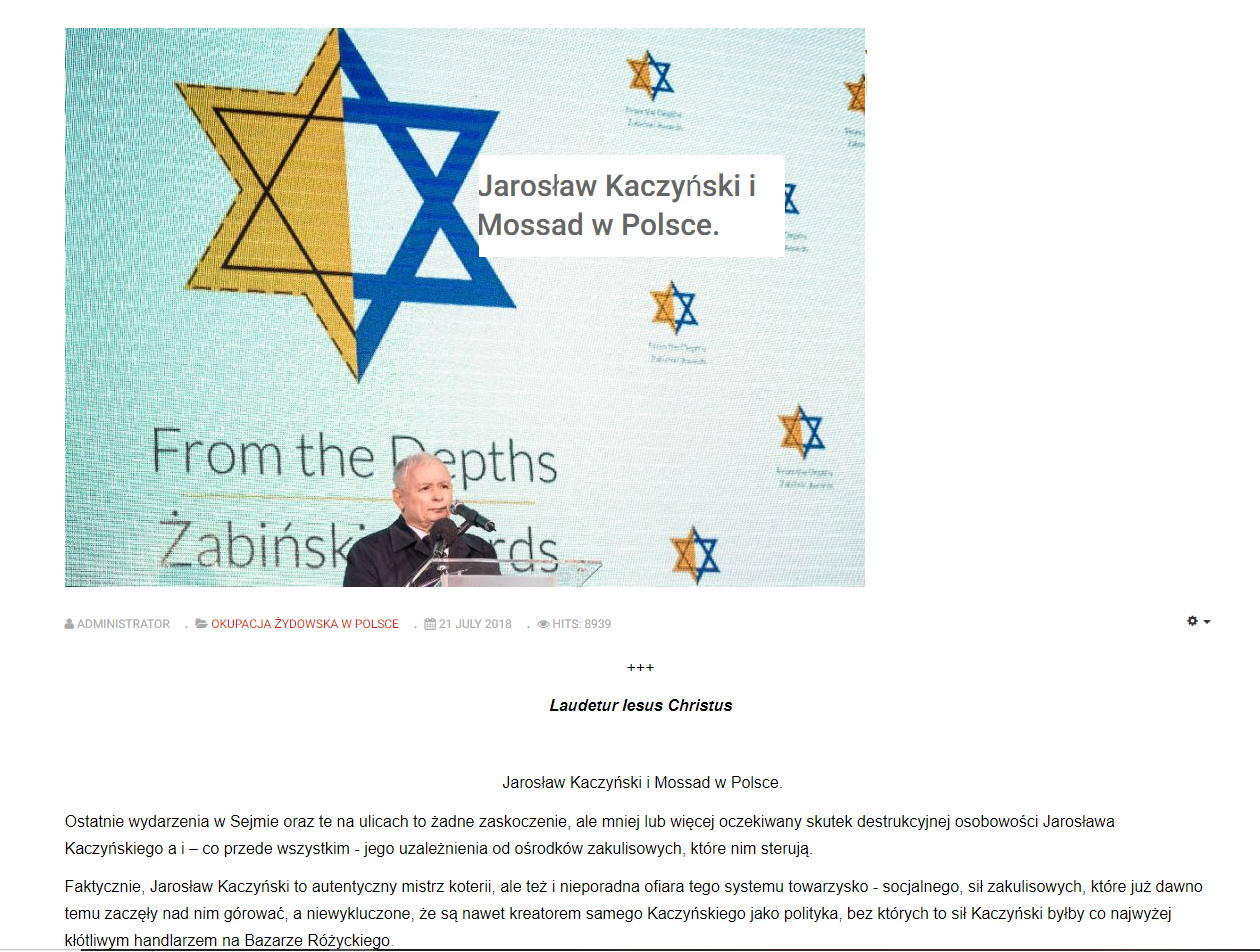
Prezes PiS: wszystkie partie powinny podpisać wspólne porozumienie w sprawie walki z epidemią COVID-19. Żydowska jedność ponad Polską i Polakami
"Prezes PiS: wszystkie partie powinny podpisać wspólne porozumienie w sprawie walki z epidemią COVID-19"
+
Mimo typowej żydom kłótliwości, w sprawach zasadniczych, wymierzonych w Polskę — jedność, solidarność żydowska panuje PONAD podziałami.
Tak ma być!
Żyd Kaczyński rzuca hasło żydowskiego ludobójstwa na Polakach, to jako "najważniejszy" polityk w polin, chociaż ten tuzinkowy blagier żadnej władzy już od dawna nie posiada.
To nie tak dawno temu, wezwał Daniels swoje małpy do Zoo w Warszawie i tam solidarnie — wbrew podziałom partyjnym — wszyscy wyrazili swą antypolską jedność ponad podziałami — a w interesie żydowskim.
Dzisiaj, Jarosław Kaczyński, ta brudna żydowska dziadyga, bez żadnej odpowiedzialności rodzinnej, z sowitą emeryturą zdobytą bez jednego dnia pracy, z licznymi koteryjnymi apanażami, wzywa wszystkich pachołków żydowskich do zjednoczenia w masowym ataku bronią biologiczną wymierzoną w Polaków. Polaków chce przymusowo szczepić ten osobnik, który nie był w stanie zrobić samodzielnie matury, gdzie został przepchnięty dalej dzięki znajomościom, ale pandemię to on już rozpoznał, no i na medycynie, szczepieniach też się zna.
Zabić lub okaleczyć wszystkich Polaków, ta ziemia należy się żydom. Ta tura szczepionkowa ma uderzyć głównie w małe dzieci.
Jan —
Zaczyna się żydowski komunizm w Polsce.!...
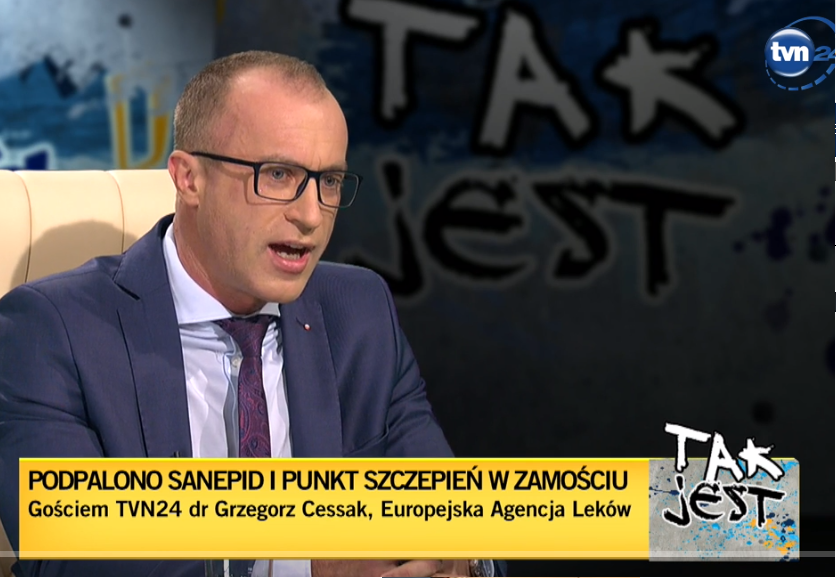
Podpalenie szczepionkowca w Zamościu to oczywisty autosabotaż polinu
"Grzegorz Cessak: poseł Grzegorz Braun z Konfederacji z grupą antyszczepionkowców wtargnął do mojego biura pod hasłem "kontroli poselskiej""
+
"Podważa się ...yyyy- przede wszystkim kwestie nauki...yyyy... doświadczeń...".
To bełkocze "Prezes Urzędu Rejestracji Produktów Leczniczych, Wyrobów Medycznych i Produktów Biobójczych dr Grzegorz Cessak".
Cessak to wyszkolony terrorysta na państwowym urzędzie. To terrorysta, bo „szczepionki” te nie mają za sobą żadnych badań ani doświadczeń, a ich produkcja i dystrybucja nie podlega żadnej kontroli społecznej czy państwowej.
To terror biologiczny dokonywany za pomocą substancji nieznanego pochodzenia, której skład jest zmieniany ad hoc. To, aby rozsiewać wśród Polaków wszelakie choroby, kalectwa i śmierć — to wg. potrzeb tych terrorystów.
To terror i bezwzględna procedura unicestwiania Polaków przeprowadzana już jako faza ostateczna.
A sam "zamach" jest szyty grubymi nićmi. Żydowska władza pod kierunkiem żyda Morawieckiego
szuka pretekstu do wprowadzenia przymusu szczepionkowego w polin.
Polacy muszą przygotować się na najgorsze!
Red. Gazeta Warszawska
+